Author: admin

  • How to Make Friends Abroad (Even If You’re an Introvert)

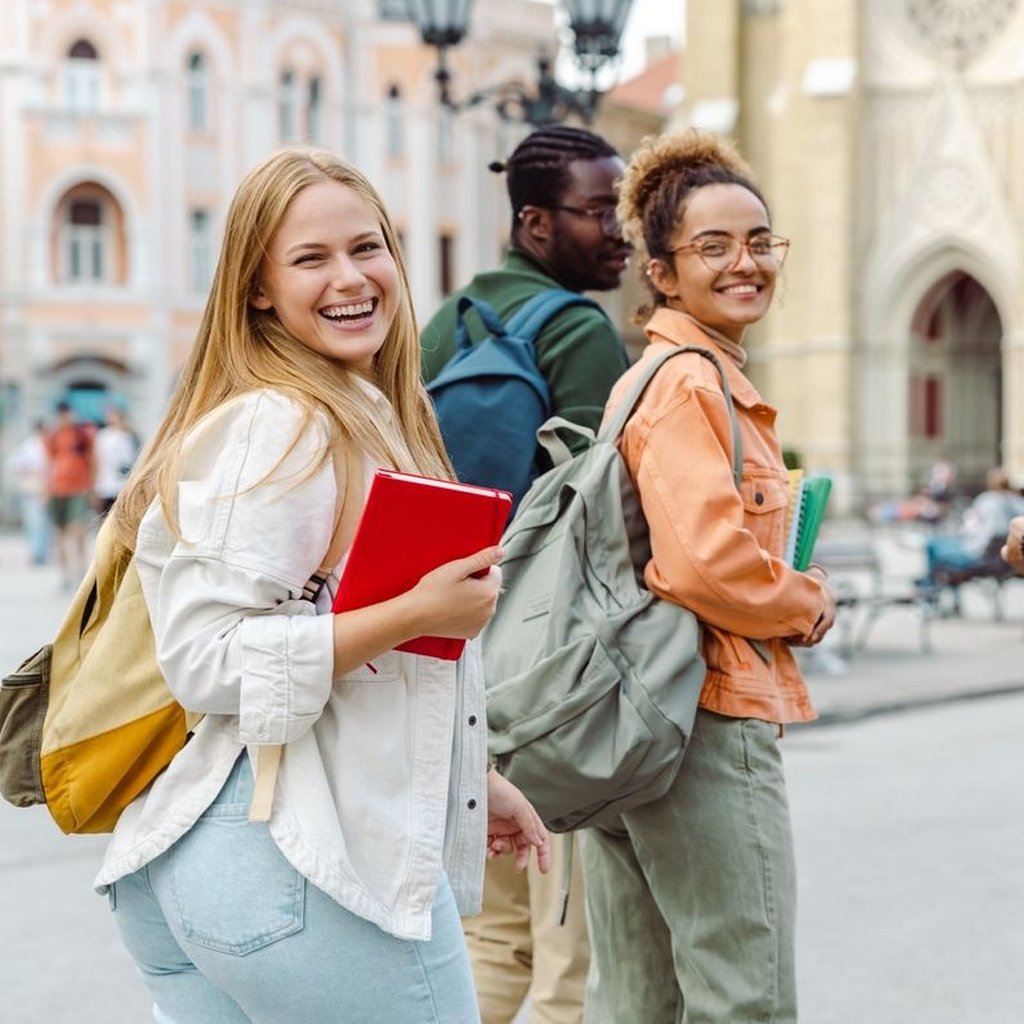
    Moving to a new country can be exciting — but also intimidating, especially if you’re naturally quiet or introverted. You might see other students quickly forming groups, hanging out in cafés, or exploring the city together, while you’re still figuring out how to start a conversation. If that sounds like you, don’t worry — you’re not alone.

    The truth is, you don’t need to be the loudest or most outgoing person in the room to make meaningful connections abroad. With a few simple strategies and genuine effort, you can build lasting friendships that make your international experience truly memorable.

    Start Small and Use Shared Spaces

    You don’t have to attend every party or social event to meet people. Some of the best friendships abroad begin in quieter spaces — classrooms, libraries, residence halls, or university cafés.

    If your university has an orientation week, join at least one or two activities. These events are designed for students who don’t know anyone yet, making it the perfect opportunity to connect.

    You can also look for small groups or societies that match your interests. For instance, if you love reading, joining a campus book club gives you something to talk about instantly.

    Even small moments — like asking a classmate where the lecture hall is or complimenting their presentation — can open the door to friendship. These short interactions slowly build confidence and familiarity.


    One-on-One Conversations Work Best for Introverts

    If large groups drain your energy, focus on one-on-one conversations instead. Many introverts find deeper connections when talking to one person at a time.

    You can invite a classmate for coffee after a lecture or ask someone to study together before a test. These low-pressure settings help conversations flow naturally.

    Look for people who seem approachable — maybe someone who stays behind after class or enjoys quiet study spots. You’ll often find you have more in common than you think.


    Use Your Interests to Find Your People

    Shared interests are the easiest way to make friends abroad. Whether it’s cooking, music, gaming, sports, or volunteering, your hobbies can help you meet like-minded people.

    Here are a few ways to connect through your passions:

    • Join a club or society: Most universities have hundreds of clubs — from cultural and sports clubs to art or movie groups.

    • Volunteer locally: Community projects are a great way to meet people while doing something meaningful.

    • Take workshops or short courses: Language, dance, or art classes attract friendly, creative people.

    • Engage in online student groups: Join WhatsApp, Discord, or Facebook groups for international students — they often plan meetups or study sessions.

    When you connect over something you genuinely enjoy, friendships grow naturally and effortlessly.


    Build Friendships Where You Live

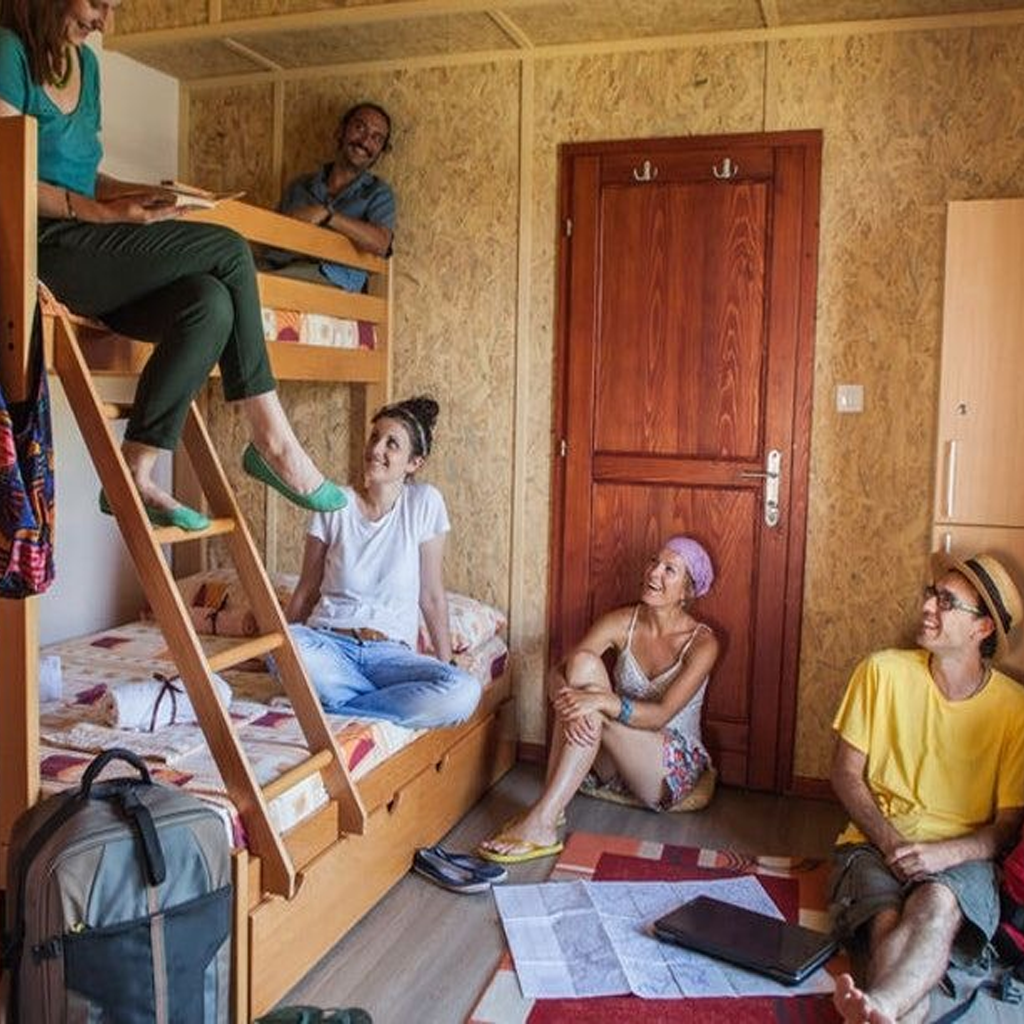
    Your accommodation can be one of the best places to make friends abroad. You already share a space — that’s a great starting point.

    Say hello to your flatmates, join them for a meal, or ask about their day. You don’t need big gestures — being approachable and friendly is enough.

    If your dorm organizes events like movie nights, cultural dinners, or game evenings, attend one or two. Even brief participation helps you recognize familiar faces and feel more at home.


    Be Open, But Move at Your Own Pace

    Making friends while studying abroad doesn’t mean forcing yourself into uncomfortable social situations. It’s all about balance — trying new things while giving yourself time to recharge.

    Being open can be as simple as smiling, asking a question, or showing genuine interest in someone’s story. Curiosity goes a long way, especially in a multicultural environment where everyone has unique experiences to share.

    If you’re learning a new language, don’t stress about being perfect. People appreciate the effort — and a few laughs over language mistakes can even strengthen your bond.


    Use Technology to Meet People Abroad

    In today’s world, many friendships begin online. Platforms like Meetup, Bumble for Friends, and Facebook student groups make it easier to find others who are also looking to connect.

    You can also join local WhatsApp or Discord groups for students in your city. These communities often plan hangouts, cultural events, or weekend trips. If you’re shy, chatting online first can make meeting in person much easier.


  • 10 Practical Ways to Balance Mental Health While Studying Abroad

    Studying abroad is one of the most rewarding experiences of your life. You get to explore a new country, meet people from around the world, and grow both academically and personally. But while this adventure is exciting, it can also feel overwhelming. Moving away from home, adapting to a new culture, and handling academic pressure can take a toll on your mental health.

    The good news? There are simple, practical steps you can take to protect your mental wellbeing while studying overseas. Here’s a student-friendly checklist of 10 mental health tips for international students—a toolkit you can return to whenever life abroad feels a little too much.

    Remind Yourself That Ups and Downs Are Normal

    Almost every international student experiences moments of homesickness, stress, or loneliness. These feelings don’t mean you’re failing—they mean you’re adapting. Adjustment takes time, and it’s normal if not every day feels perfect.

    💡 Tip: Treat your mental health the same way you would physical health. Just as catching a cold doesn’t mean you’re weak, feeling stressed sometimes is part of being human.


    Stay Connected With Home (But Set Boundaries)

    Video calls, texts, and chats with family and friends back home provide comfort. A familiar voice can be grounding during tough days.

    But spending all your free time online can make it harder to adjust abroad.

    💡 Tip: Schedule weekly calls with loved ones, but also set aside time to meet people locally and focus on your new life abroad.


    Build a Local Support Network

    A strong support system is one of the best mental health strategies for students abroad. Even a few close connections can make a big difference.

    • Join student clubs and societies.

    • Attend international student meetups.

    • Get to know classmates through projects.

    💡 Tip: Remember, most students abroad are eager to connect—especially those who are also adjusting to a new country.


    Maintain a Healthy Routine

    When everything around you feels unfamiliar, a routine gives you stability.

    • Sleep: Stick to a regular schedule.
    • Food: Eat balanced meals, not just fast food or noodles.
    • Exercise: Even a short daily walk can lift your mood.

    💡 Tip: Think of your routine as an anchor. Daily habits keep you grounded in a new environment.


    Manage Academic Stress Early

    Studying abroad often means adapting to a different teaching style or grading system. Academic pressure can feel intense, especially if you’ve worked hard to get there.

    • Break assignments into smaller tasks.
    • Ask professors or assistants if something isn’t clear.
    • Use study resources like writing centers or academic workshops.

    💡 Tip: Don’t wait until you’re overwhelmed. Seek help early—it’s easier to handle stress before it piles up.


    Use University Mental Health Services

    Most universities abroad offer free or low-cost counseling and wellbeing services. These are confidential and designed for students like you.

    💡 Tip: Find out what services are available during your first week. That way, you’ll know where to go if you need support later.


    Bring Pieces of Home With You

    Homesickness is natural, but carrying small pieces of your culture abroad can help.

    • Cook your favorite dishes.
    • Celebrate cultural festivals.
    • Decorate your room with reminders of home.

    💡 Tip: Balance is key. Bring your culture with you while also embracing the culture of your host country.


    Pace Yourself With New Experiences

    Studying abroad offers endless opportunities—but trying to do everything at once can cause burnout.

    💡 Tip: Quality matters more than quantity. Focus on experiences that truly interest you rather than saying yes to everything.

    Practice Stress-Relief Strategies

    Healthy coping strategies can help you manage stress abroad.

    • Mindfulness & breathing exercises (free apps, YouTube).
    • Journaling (process your thoughts and emotions).
    • Exercise (sports, gym, or stretching).
    • Creative outlets (music, art, or cooking).

    💡 Tip: Spend just 10–15 minutes a day on relaxation activities. Consistency is more important than duration.


    Know When to Ask for Help

    The most important mental health skill is knowing when to reach out. If you feel persistently down, anxious, or disconnected, don’t ignore it.

    Warning signs include:

    • Struggling to concentrate on studies.
    • Sleeping too much or too little.
    • Avoiding social activities.
    • Losing interest in things you usually enjoy.

    Seeking help is not weakness—it’s strength. Whether from a counselor, doctor, or support service, help is there to keep you on track.

    Global Mental Health Resources for Students Abroad

    No matter where you study, these organizations offer support:

    • Befrienders Worldwide – Emotional support hotlines worldwide.
    • 7 Cups – Free, anonymous chat with trained listeners.
    • iCALL (TISS, India) – Counseling via phone/email (accepts international calls).
    • WHO Mental Health Resources – Self-help tools and information.
    • Lifeline (Global Crisis Directory) – Connects you to local hotlines in 100+ countries.

    Final Thoughts: Balance Mental Health and Academic Success Abroad

    Studying abroad is a unique chance to grow, explore, and experience life differently. But with opportunities come challenges. Looking after your mental health is just as important as academic success.

    Think of it as a balance: staying connected to home while building a new community, maintaining healthy routines while embracing new experiences, and reaching out for help when needed.

    With the right strategies, you can protect your wellbeing and make the most of your study abroad journey.

    ✨ Connect with Oromah today and turn your dream of studying abroad into reality—while ensuring your mental health and wellbeing come first.

  • Networking as an International Student: Where to Begin

    When you hear the word networking, it can sound intimidating—especially as an international student. You might imagine crowded events with people in suits handing out business cards. But here’s the truth: networking isn’t about being the loudest in the room. At its core, it’s about building genuine connections—the same way you make friends, ask for advice, or share experiences.

    And the best part? As an international student, you already bring something unique to the table: a global perspective. Employers, professors, and peers value this more than you may realize.

    If you’re wondering how to start networking as an international student, here are some practical, beginner-friendly steps.

    Begin with the People Around You

    You don’t need to attend a big career fair on your first day abroad. Start small with the people you see every day.

    Classmates

    Your classmates are future professionals too. Add them on LinkedIn, form study groups, or grab coffee after class. Over time, these casual friendships can grow into professional connections.

    Professors

    Professors aren’t just teachers—they’re often well-connected in their industries. Use office hours not only for coursework but also to ask questions like:
    👉 “I’m curious about [topic]. Could I hear your perspective?”
    This shows genuine interest and often opens doors to mentorship.


    Say Yes to Campus Events

    Universities host endless opportunities—career panels, cultural nights, guest lectures, and workshops. These events are designed to help you connect.

    💡 Networking tip for international students: Don’t try to meet everyone. Aim for one meaningful conversation. After a lecture, you could say:
    “Hi, I’m [Name]. I’m an exchange student from [Country], and I really liked your point about [topic].”

    It doesn’t matter if you stumble; people will appreciate that you reached out.


    Make LinkedIn Work for You

    Think of LinkedIn as your digital handshake. It’s where classmates, alumni, and professionals can find you.

    Easy ways to start:

    • Connect with classmates and add a note so they remember you.

    • Reach out to alumni working in your host country.

    • Join LinkedIn groups like “International Business Students” or “Study Abroad Alumni in [City].”

    💡 Start small: aim to send just one new connection request per week.


    Try an Informational Interview

    An informational interview is simply a friendly conversation with someone whose career path interests you.

    How to do it:

    1. Find someone—a speaker from an event, a university alum, or a professional on LinkedIn.

    2. Send a polite message:

      “Hi [Name], I’m a student at [University], currently studying abroad from [Country]. I’m really interested in [field]. Would you be open to a short call or coffee chat?”

    3. Prepare 3–4 questions, like:

      • “What do you enjoy most about working in this field here?”

      • “What advice would you give a student starting out?”

    Most professionals are flattered and happy to help.


    Join Clubs and Student Organizations

    Clubs make networking abroad feel natural. Whether it’s a cultural society, a debate team, or a sport, you’ll meet people with similar interests.

    Taking a leadership role—even a small one—also builds valuable skills (organization, teamwork, communication) and expands your network.


    Use Campus Resources

    Almost every university has a career center or international student office. They often organize events tailored to international students—like CV workshops, career fairs, and networking sessions.

    Simply dropping by and asking, “Where should I start if I want to connect with employers here?” can lead to valuable guidance.


    Volunteer or Find Local Experience

    You don’t always need a big internship to grow your network. Local volunteering connects you with people outside your student circle.

    Examples:

    • Helping at a community festival → meet event organizers.

    • Volunteering as a language buddy → connect with teachers and international-minded peers.

    These experiences show initiative and give you stories to share in future interviews.


    Follow Up and Keep in Touch

    Networking doesn’t end with the first conversation. Keep connections alive by following up.

    • Send a thank-you note: “Thanks for sharing your insights on [topic]. I learned a lot.”

    • Update them later: “I joined [club/event] after your advice—it’s been a great experience.”

    These small touchpoints strengthen relationships without being pushy.


    Remember: You Also Have Value

    It’s easy to think, “I’m just a student.” But you bring unique assets:

    • Language skills

    • Cross-cultural perspectives

    • Knowledge of your home country’s systems or industries

    Networking is a two-way exchange. You might help someone practice your native language or share insights on global issues. Your contributions matter.

    Networking Abroad is About Small Steps

    Networking as an international student isn’t about collecting business cards—it’s about building relationships, step by step.

    Start simple: talk to a classmate, attend one event, or send one LinkedIn message. Over time, these small actions create a supportive network that could shape your future career.

    And remember—your international background is not a weakness; it’s your superpower. It shows resilience, adaptability, and cultural awareness—qualities that employers value worldwide.

    ✨ Ready to take your study abroad journey to the next level? Connect with Oromah today and turn your dream of studying abroad into a reality.

  • How to Travel Responsibly as a Study Abroad Student

    Studying abroad opens the door to incredible adventures. Suddenly, weekend trips to nearby cities—or even other countries—are within easy reach. Flights can be cheap, trains are convenient, and your classmates are always up for a getaway.

    But with all this freedom comes responsibility. The way you travel impacts the environment, local communities, and even how international students are perceived. Responsible travel isn’t about giving up fun—it’s about being mindful so your adventures create lasting memories, not problems.

    Here’s how to travel responsibly as a study abroad student.

    1. Plan with Intention, Not Just FOMO

    When studying abroad, it’s tempting to create a long “bucket list” and rush through destinations just to collect photos. The downside? You end up exhausted, broke, and with only surface-level experiences.

    Instead, slow down. Visit places that genuinely interest you—not just the ones trending on Instagram. Smaller towns or hidden gems often give you the most authentic experiences while being cheaper and less crowded.

    Whenever possible, travel outside peak tourist season. You’ll save money, avoid the crowds, and enjoy a more local feel.


    2. Pack Light for Convenience and Sustainability

    Dragging a heavy suitcase up hostel stairs or cobblestone streets is no fun. Packing light not only makes travel easier, but it’s also more eco-friendly since lighter loads reduce transportation emissions.

    Sustainable packing tips:

    • Choose clothes you can mix and match.

    • Carry a reusable water bottle, tote bag, and cutlery to avoid single-use plastics.

    • Skip “just in case” items—you can always buy essentials locally.

    You’ll be surprised how little you actually need once you’re on the road.


    3. Support Local Businesses and Communities

    As a student traveler, where you spend your money matters. Choosing a family-owned restaurant over a fast-food chain directly supports local livelihoods. Similarly, staying in guesthouses or hostels usually benefits the local economy more than international hotel chains.

    When shopping for souvenirs, opt for handmade or locally crafted items. They carry more meaning than mass-produced trinkets and ensure your money supports local artisans.


    4. Learn Basic Local Etiquette

    Every culture has unspoken rules, and learning them can prevent misunderstandings. Before visiting a new place, spend a few minutes researching:

    • How do locals greet each other?

    • Is tipping expected?

    • Are there dress codes for religious sites?

    • Any gestures considered rude?

    Even if you make mistakes, locals appreciate the effort. A polite smile and a simple phrase in the local language go a long way.


    5. Make Eco-Friendly Travel Choices

    Responsible travel doesn’t mean sacrificing comfort—it’s about small swaps that make a big difference.

    • Choose trains over flights when possible—they’re often cheaper, greener, and more scenic.

    • Walk or cycle around cities to explore at your own pace.

    • Save water and energy by taking short showers, reusing towels, and turning off lights when leaving your room.

    • Avoid tourist attractions that exploit animals, such as elephant rides or photo ops with sedated tigers.


    6. Respect That You’re a Guest

    As a study abroad student, you’re not just a tourist—you represent your home country and your university. Small gestures of respect leave a lasting impression.

    Be mindful in quiet neighborhoods, ask before photographing people, and always clean up after yourself. These small acts make locals more welcoming to students who come after you.


    7. Try Slow Travel Over Rushed Checklists

    It’s tempting to squeeze in as many countries as possible during your semester abroad. But slow travel often creates deeper and more meaningful memories.

    Instead of rushing through three cities in a weekend, consider immersing yourself in one. Return to places you love rather than constantly chasing “the next destination.” This approach not only reduces your carbon footprint but also saves money and gives you richer cultural experiences.


    8. Learn a Few Local Phrases

    Even a small effort in learning the local language makes a big difference. A simple “hello,” “thank you,” or “excuse me” shows respect and often earns you a warmer response from locals.

    If you’re staying for several months, invest time in learning more of the language—it can completely transform your experience abroad.


    9. Be Respectful with Your Camera

    Photos are an important part of capturing memories, but they shouldn’t come at the expense of respect.

    • Don’t block streets or doorways for the perfect shot.

    • Always ask before photographing people.

    • Be mindful in sacred or private spaces where photos might not be appropriate.

    Remember: these places are people’s homes, not just backdrops.


  • How to Find Affordable Student Housing Abroad – A Complete Guide for International Students

    Studying abroad is an incredible opportunity, offering a mix of cultural immersion, world-class education, and personal growth. But among all the excitement, there’s one practical challenge every student faces—finding affordable accommodation abroad. Between tuition, flights, daily expenses, and leisure activities, housing can quickly become one of your biggest costs. The key to keeping it manageable is knowing your options, starting your search early, and using the right resources.

    1. Know Your Accommodation Options


    Before you start applying or contacting landlords, it’s essential to understand the main types of student housing available in most destinations.

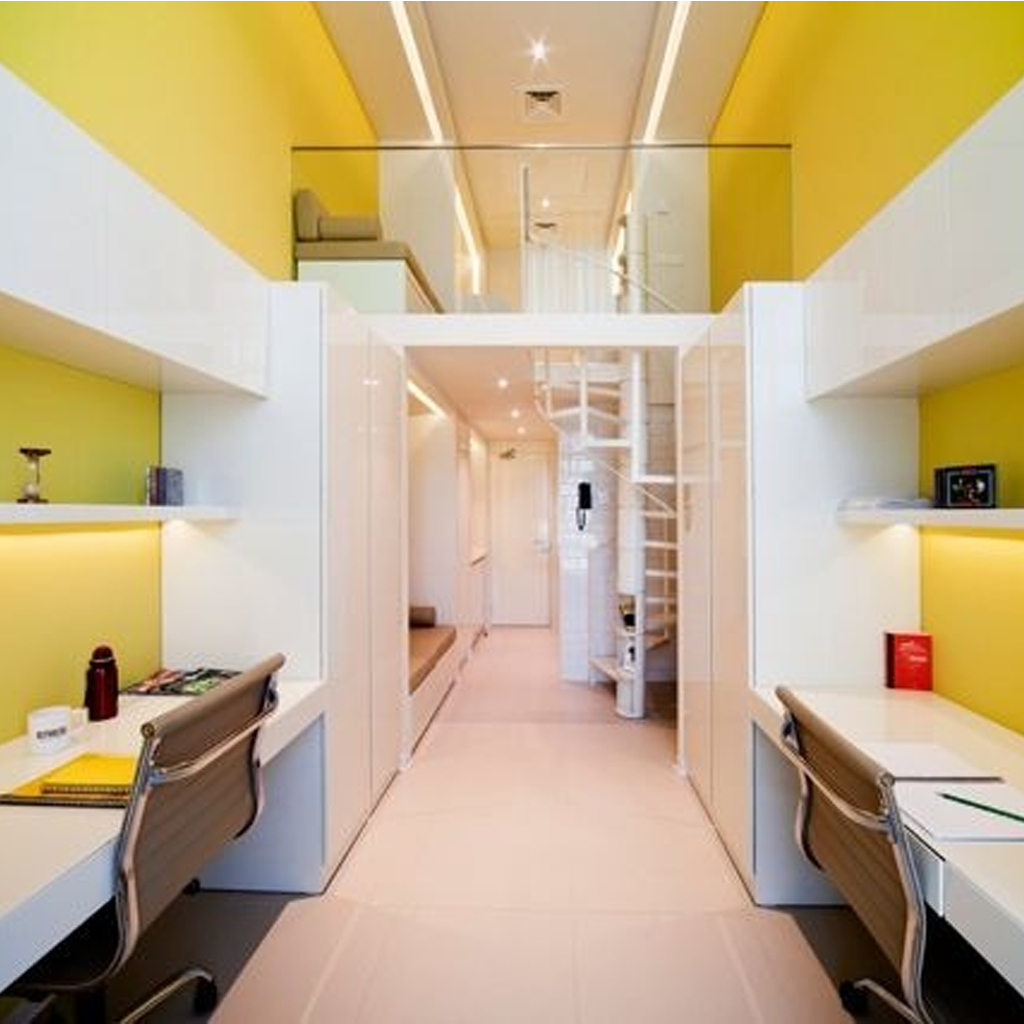
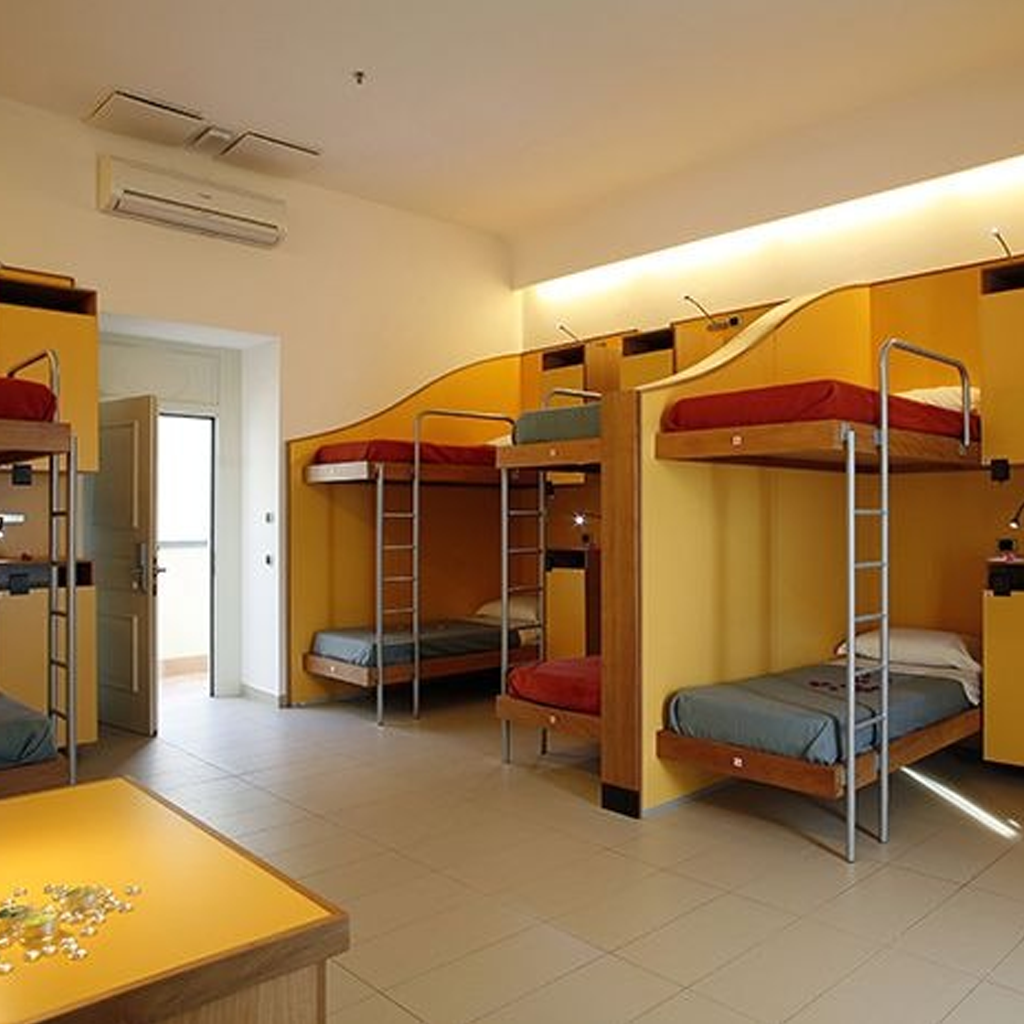
    • University Dorms – Often located on or near campus, these are ideal for students who want a ready-made community and a short commute. Some offer meal plans or cleaning services, making life easier. However, space can be limited, and the rooms are often small.

    • Private Student Housing – These are purpose-built residences with upgraded facilities like gyms, study areas, and social lounges. While modern and well-maintained, they tend to be more expensive than university dorms.

    • Homestays – Living with a local family is a great way to practice the language and immerse yourself in the culture. Meals are often included, and costs can be lower than renting an apartment. On the downside, you’ll have less independence than other options.

    • Shared Apartments – Renting a room in a shared flat is one of the most affordable and flexible options. You split rent and utilities with roommates, which can significantly cut costs.

    • Solo Apartments/Studios – Perfect for students who value privacy and independence, but generally the most expensive choice. Suitable if you have a higher budget or plan to stay long-term.


    2. Start Your Search Early


    In high-demand study abroad destinations like Berlin, Melbourne, Helsinki, and New York, affordable student housing can be fully booked months before the semester begins. Starting early gives you more choices, better locations, and often lower rent.

    Suggested Timeline:

    • 5–6 months before departure – Begin researching neighborhoods near your university, average rental prices, and the types of accommodation available (dorms, shared flats, private rentals). Check your university’s official housing portal and connect with student groups to understand the local market.

    • 3–4 months before departure – Actively browse listings on trusted student housing websites, reach out to landlords or agents, and submit applications early to secure popular properties. In competitive cities, demand can be 3–4 times higher than supply.

    • 1–2 months before departure – Finalize your choice, thoroughly review the lease agreement, and confirm all terms in writing (rent, utilities, move-in dates). Pay your deposit via a secure method to lock in your accommodation.


    3. Create a Realistic Budget


    Your housing will be one of your biggest expenses abroad, so it’s important to plan your finances carefully. As a general rule, aim to spend 30–50% of your monthly budget on rent and living costs.

    Key Costs to Include in Your Budget:

    • Rent – Usually paid monthly, but some student residences require term-based payments.

    • Utilities – Electricity, water, heating, gas, and internet (check if they’re included in rent).

    • Security Deposit – Typically 1–2 months’ rent, refundable if there’s no damage when you move out.

    • Public Transportation – Especially important if you live outside the city center. Look for student travel passes to save money.

    • Furnishing & Setup Costs – Beds, desks, cookware, or linens if your accommodation is unfurnished.

    💡 Pro Tip: Use a budget calculator or spreadsheet to compare housing options side-by-side and see the full financial impact.


    4. Use Trusted Housing Platforms

    Avoid rental scams by searching on verified and reputable student accommodation websites:

    • HousingAnywhere – Great for students in Europe and major cities worldwide.

    • Uniplaces – Offers verified listings and exclusive student discounts.

    • Spotahome – Provides professional photos and video tours of apartments.

    • Student.com – Focused entirely on international student rentals.

    • Erasmusu – Popular among Erasmus and exchange students in Europe.

    Also check if your university partners with local housing providers or runs its own dormitory system—these options are often safer and better regulated.


    5. Choose Location Strategically

    Your location affects both your daily routine and overall costs. Living next to campus may be convenient, but in most cities, central housing comes at a premium.

    When choosing a neighborhood, consider:

    • Public Transport – How reliable and affordable is the commute?

    • Commute Time – Ideally under 30 minutes door-to-door.

    • Safety – Check crime rates and speak to current students about their experiences.

    • Local Amenities – Proximity to grocery stores, gyms, parks, cafés, and medical facilities.

    💡 Example: In cities like Paris or London, living 15–20 minutes outside the city center can save you hundreds of euros per month while still keeping you connected via metro or train.


    6. Network with Other Students

    Other students can be your best insider source for housing leads.

    • Join Facebook groups for incoming students at your university.

    • Participate in WhatsApp or Telegram groups for international students.

    • Connect with alumni or second-year students—they often know landlords who prefer renting to students.

    Many students find roommates, sublets, or better deals this way without even needing to use public listing sites.


    7. Protect Yourself from Scams


    Unfortunately, housing scams targeting international students are common in many countries. Red flags include:

    • No Property Viewing – Landlords refusing in-person or video tours.

    • Suspicious Payment Requests – Demands for payment via Western Union, cryptocurrency, or non-secure transfers.

    • Too-Good-To-Be-True Prices – Rent significantly below market rates.

    • No Written Lease – A legitimate landlord will always provide a contract.

    Always verify the landlord or agency, check reviews, and use platforms with secure payment options to safeguard your money.

    8. Consider Temporary Accommodation First


    If you’re unsure about committing to a long-term lease before arrival, book short-term housing for the first few weeks. This gives you time to visit properties in person.

    Short-term options:

    • University-arranged temporary housing

    • Hostels offering student rates

    • Airbnb monthly rentals (ask hosts for long-stay discounts)

    • Sublets from students on exchange or internships

    9. Use University Housing Support Services


    Many universities have a dedicated International Student Office or Accommodation Service offering:

    • Verified landlord lists

    • Lease review and contract advice

    • Mediation services if disputes arise

    • Emergency housing options if your original plans fail

    These services are usually free for enrolled students—take full advantage of them.

    10. Stay Flexible and Prioritize Essentials

    In a competitive rental market, it’s rare to find a place that ticks every single box.
    Focus on core priorities:

    • Affordability

    • Safety

    • Accessibility to campus

    You can compromise on non-essential features like room size, décor, or luxury amenities—what matters most is a comfortable, safe, and budget-friendly place to live while you study.


  • Hello world!

    Welcome to WordPress. This is your first post. Edit or delete it, then start writing!

  • How to Stay in Touch With Loved Ones Across Time Zones While Studying Abroad

    How to Stay in Touch With Loved Ones Across Time Zones While Studying Abroad

    Studying abroad is one of the most exciting adventures you can have — a new country, new friends, and unforgettable experiences. But let’s be honest: one thing people don’t talk about enough is how challenging it can be to stay connected with family and friends back home, especially when you’re living in a completely different time zone.

    When your mom wants to FaceTime first thing in the morning, you might be in the middle of a lecture. When your friends finally finish work and want to chat, you could be fast asleep. Time zone differences can make you feel even farther away than you actually are. But with a little planning and the right tools, it’s absolutely possible to stay in touch while studying abroad — without feeling overwhelmed.

    Understand the Time Difference

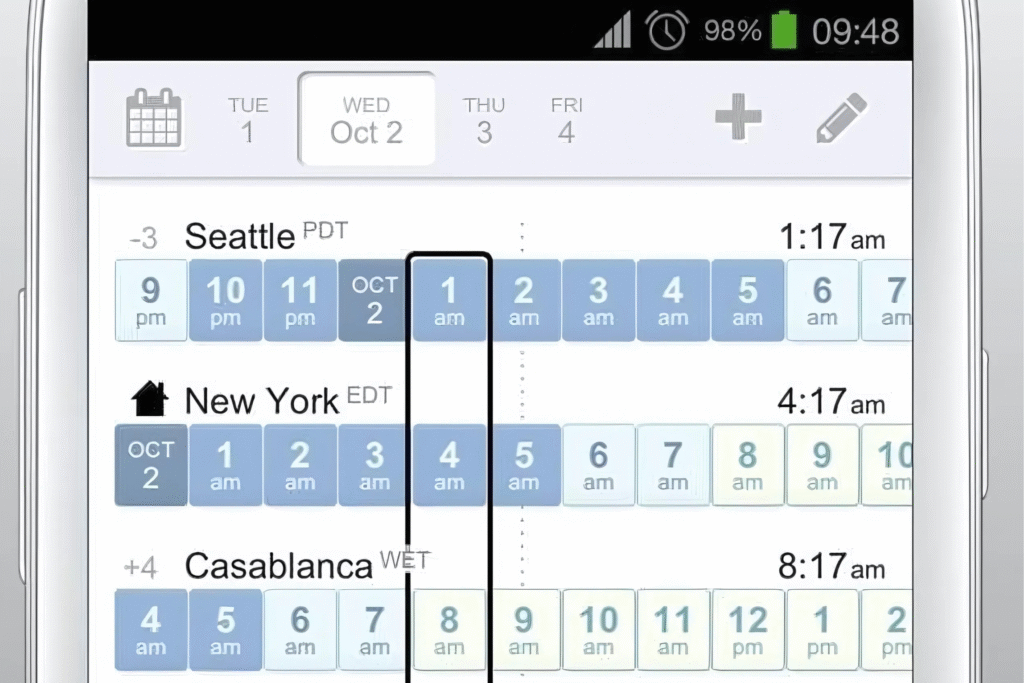
    Start by figuring out the exact time gap between your current city and home. It sounds simple, but daylight saving time changes or seasonal shifts can catch you off guard. Use free tools like Time Zone Buddy, World Clock, or even add your home time zone to your phone lock screen or laptop. This makes it easy to check what time it is back home before making a call.


    Set a Communication Routine

    Having a routine helps everyone know when to expect a call or message. For example, make Sunday your weekly video call day or choose a couple of fixed times each week for quick catch‑ups. It keeps you connected while avoiding the stress of finding random free moments. And remember, flexibility is key — plans can change, and that’s perfectly normal when you live across time zones.


    Embrace Asynchronous Communication

    Real‑time calls are great, but sometimes they’re just not possible. Thankfully, there are so many ways to keep in touch without being online at the same moment:

    • Send voice notes while walking to class

    • Share photos and short videos from your day

    • Leave messages in a family group chat

    • Create shared photo albums your loved ones can view anytime

    These small updates help your family and friends feel part of your daily life, even across time zones.


    Use Apps That Make Staying Connected Easier

    Choosing the right apps can make a huge difference when you’re studying abroad and want to stay connected:

    • WhatsApp / Telegram: Perfect for chats, voice notes, and family groups

    • Zoom / Google Meet / FaceTime: Ideal for longer calls or catch‑ups

    • Google Calendar: Schedule calls in different time zones without confusion

    • Shared albums (Google Photos, iCloud): Upload your travel memories and everyday moments


    Be Realistic and Kind to Yourself

    You might miss birthdays, family events, or forget to reply right away. That doesn’t mean you don’t care — it just means life abroad can get busy. Balancing studies, new friendships, and sometimes part‑time work is already a lot. Your family and friends back home will understand if you’re open and honest about your schedule.

    Find Overlapping Time Slots

    Even with big time differences, there’s often a short window when you and your loved ones are awake — maybe early mornings or late evenings. Use these windows for quick video calls or voice chats. If you’re living somewhere with a major time gap (like Australia vs Europe), try to share the sacrifice so it’s not always you or always them adjusting.


    Stay Present in Small Ways

    Connection doesn’t always require long conversations. Keep showing up in small but meaningful ways:

    • Send a quick “good luck” message before your sibling’s exam

    • Drop a voice note saying you miss them

    • Share a playlist you’ve been listening to abroad

    • Send a funny meme that made you think of them

    Little gestures keep relationships strong, no matter how far apart you are.


    Protect Your Own Well‑Being

    Finally, remember that you’re allowed to set boundaries. If staying up late to call home affects your sleep or studies, suggest a better time. Protecting your mental health helps you show up better for yourself and your loved ones.

    Studying abroad isn’t just about exploring a new country — it’s also about finding healthy ways to stay connected to the people who matter most.

    Ready to start your own study abroad journey?
    Connect with Oromah today and make your dream of studying abroad a reality!

  • Public Transportation Tips for International Students in Popular Study Abroad Countries

    Public Transportation Tips for International Students in Popular Study Abroad Countries

    Moving abroad to study is an exciting adventure, but one of the first big adjustments is figuring out public transportation in a new city or country. Whether you’re navigating the Tube in London, the subway in Seoul, or the metro in Madrid, understanding local transit can save time, money, and a lot of stress — helping you feel at home faster and explore more.

    United Kingdom

    Public transport in the UK is well‑connected, efficient, and especially useful in cities like London, Manchester, and Edinburgh. In London, an 18+ Student Oyster photocard offers discounted fares on the Tube, buses, and overground trains, while a 16–25 Railcard gives up to 1/3 off cross‑country trips — perfect for weekend adventures. Know which fare zones cover your university and housing, avoid peak hours before 9:30 a.m., and use apps like TfL or Trainline for live updates.


    United States

    Transit systems vary widely across American cities. In places like New York, Boston, and Chicago, subways and buses are reliable and widely used, while smaller college towns often rely on bus networks or rideshare services like Uber or Lyft. Many universities offer discounted or free transit passes, so always check with student services. For safety, avoid empty or poorly lit stations late at night.


    Germany

    Germany’s public transport is punctual, efficient, and very student‑friendly. Most universities include a SemesterTicket, covering unlimited local or regional travel on the U‑Bahn, S‑Bahn, buses, trams, and regional trains. Remember to validate your paper ticket before boarding, use the DB Navigator app to plan journeys, and always arrive early — trains typically leave right on time.


    Japan

    Japan’s rail network, especially in cities like Tokyo, Osaka, and Kyoto, is famous for speed and reliability. Grab a Suica or Pasmo card for easy tap‑and‑go travel. Respect local etiquette by keeping your phone silent, avoiding calls, standing in line, and offering priority seats. Avoid morning rush hour (7–9 a.m.) if possible, and use Hyperdia or Google Maps to plan routes smoothly.


    France

    Cities like Paris and Lyon have dense, integrated transport networks. In Paris, the Carte Imagine’R offers students unlimited travel in the Île‑de‑France region at a reduced rate, while the Navigo Pass is ideal for weekly or monthly use. Keep an eye out for strikes (“grèves”) that can disrupt service, and note the Paris Métro usually stops running around 12:30 a.m. on weekdays.


    Australia

    Public transport varies by state but is modern and reliable in cities like Sydney, Melbourne, and Brisbane. Each has its own travel card — Opal (Sydney), Myki (Melbourne), and Go Card (Brisbane). Always tap on and off to avoid extra charges, check if your school offers concession fares, and use TripView (Sydney) or PTV (Melbourne) to plan your routes easily.


    Canada

    In Canadian cities like Toronto, Vancouver, and Montreal, public transport is reliable and widely used. Many universities provide U‑Passes that cover unlimited travel during the semester. Get a Presto card in Toronto or a Compass card in Vancouver, be ready for weather‑related delays (especially in winter), and use the Transit app for real‑time information.


    Spain

    Public transport in Madrid, Barcelona, and other Spanish cities is affordable and efficient. Monthly passes like the Abono Transporte in Madrid or the T‑usual card in Barcelona can save you money. Travel off‑peak to avoid crowds, use Renfe for high‑speed trains between cities, and keep a translation app handy since many signs are in Spanish or Catalan.


    Italy

    Italian cities blend scenic travel with local metro, bus, and tram systems. Students can save with the Roma Pass or ATM Student Card in Milan. Always validate your ticket before boarding, use Trenitalia or Italo for cross‑country travel, and remember that late‑night transport options can be limited — so plan evening trips carefully.


    South Korea

    Seoul, Busan, and other major Korean cities offer modern, affordable, and highly efficient public transport. A T‑Money Card can be used on subways, buses, and even taxis. Apps like KakaoMap and Naver Map are more accurate than Google Maps, and since most routes run late, it’s easy to explore without worrying about getting stranded. Keep phone use quiet and be respectful on trains.


    General Travel Tips for International Students

    Wherever you study, download offline maps, carry emergency cash, learn key words like “ticket,” “platform,” or “exit” in the local language, and check local etiquette (some places are very quiet on transit while others are more social). Watch for holiday schedules and stay alert in crowded areas. Mastering local transport helps you feel independent, spend less, and discover new cafes, neighborhoods, and nearby cities on your own terms — making everyday life abroad much easier.

    Figuring out public transportation might seem confusing at first, but it quickly becomes one of the most practical and empowering parts of studying abroad. You’ll save money, explore confidently, and feel more connected to your new city. Connect with Oromah today and turn your dream of studying abroad into a reality.

  • Your Comprehensive Guide to Successfully Pursuing

    Your Comprehensive Guide to Successfully Pursuing

    Visa consulting is an invaluable resource for anyone navigating the complexities of international travel, work, or family reunification. By enlisting the expertise of a visa consultant, you can save time, reduce stress, and increase your chances of a successful visa application. Make sure to do your due diligence when choosing a consultant, and you’ll be well on your way to realizing your global aspirations.

    This phrase underscores the idea that seeking professional help instills a sense of assurance in the applicant. It implies that having experts guide you through the process can boost your confidence in the success of your application, Visa consultants provide continuous support, helping you navigate any additional requests from immigration authorities and addressing any concerns that may arise during the processing period.

    consultants provide continuous support, helping you navigate any additional requests from immigration authorities and addressing any concerns that may arise during the processing period.

    Navigating the Visa Immigration Journey: A Comprehensive

    Embarking on a journey to a new country is an exciting endeavor, but the visa immigration process can often be a complex maze. Whether you’re planning to study, work, or reunite with family, understanding the ins and outs of the visa application is crucial.

    • Legal experts specializing in immigration law
    • Understanding local laws and regulations
    • Connecting with local expat communities

    “Step into the dynamic realm of business innovation with our insightful blog, a gateway to the ever-evolving landscape of entrepreneurship. Immerse yourself in the journey of disruption and creativity as we navigate through industry

    Robert Vibes

    Embarking on New Horizons: A Comprehensive Guide to Visa Immigration

    The application process can vary widely from one country to another. Familiarize yourself with the specific requirements of the destination country. Some countries may require in-person interviews, while others might have an entirely online application process. In some cases, visa applicants are required to attend an interview. Practice common interview questions, familiarize yourself with local customs, and be ready to articulate your purpose of travel clearly.

    Embarking on a visa immigration journey can be a transformative experience. By understanding the process, preparing diligently, and seeking support when needed, you can enhance your chances of a successful application. Remember.

  • How Student Visa Consulting Transforms the Journey

    How Student Visa Consulting Transforms the Journey

    Visa consulting is an invaluable resource for anyone navigating the complexities of international travel, work, or family reunification. By enlisting the expertise of a visa consultant, you can save time, reduce stress, and increase your chances of a successful visa application. Make sure to do your due diligence when choosing a consultant, and you’ll be well on your way to realizing your global aspirations.

    This phrase underscores the idea that seeking professional help instills a sense of assurance in the applicant. It implies that having experts guide you through the process can boost your confidence in the success of your application, Visa consultants provide continuous support, helping you navigate any additional requests from immigration authorities and addressing any concerns that may arise during the processing period.

    consultants provide continuous support, helping you navigate any additional requests from immigration authorities and addressing any concerns that may arise during the processing period.

    Navigating the Visa Immigration Journey: A Comprehensive

    Embarking on a journey to a new country is an exciting endeavor, but the visa immigration process can often be a complex maze. Whether you’re planning to study, work, or reunite with family, understanding the ins and outs of the visa application is crucial.

    • Legal experts specializing in immigration law
    • Understanding local laws and regulations
    • Connecting with local expat communities

    “Step into the dynamic realm of business innovation with our insightful blog, a gateway to the ever-evolving landscape of entrepreneurship. Immerse yourself in the journey of disruption and creativity as we navigate through industry

    Robert Vibes

    Embarking on New Horizons: A Comprehensive Guide to Visa Immigration

    The application process can vary widely from one country to another. Familiarize yourself with the specific requirements of the destination country. Some countries may require in-person interviews, while others might have an entirely online application process. In some cases, visa applicants are required to attend an interview. Practice common interview questions, familiarize yourself with local customs, and be ready to articulate your purpose of travel clearly.

    Embarking on a visa immigration journey can be a transformative experience. By understanding the process, preparing diligently, and seeking support when needed, you can enhance your chances of a successful application. Remember.